drive with confidence using Denver Auto Mechanic
Get back on the Road With Confidence - Reliable Auto Service
Dependable auto repair is crucial for vehicle safety and performance. A reliable shop provides thorough work, from routine checks to urgent repairs. Recognizing when your vehicle requires service can be challenging. Many drivers have trouble locating reliable repair professionals. Consistent upkeep is essential for extending your car's lifespan. Yet, the intricacies surrounding pricing and talking to repair technicians can leave one uncertain. How can vehicle owners ensure their vehicles are always road-ready?
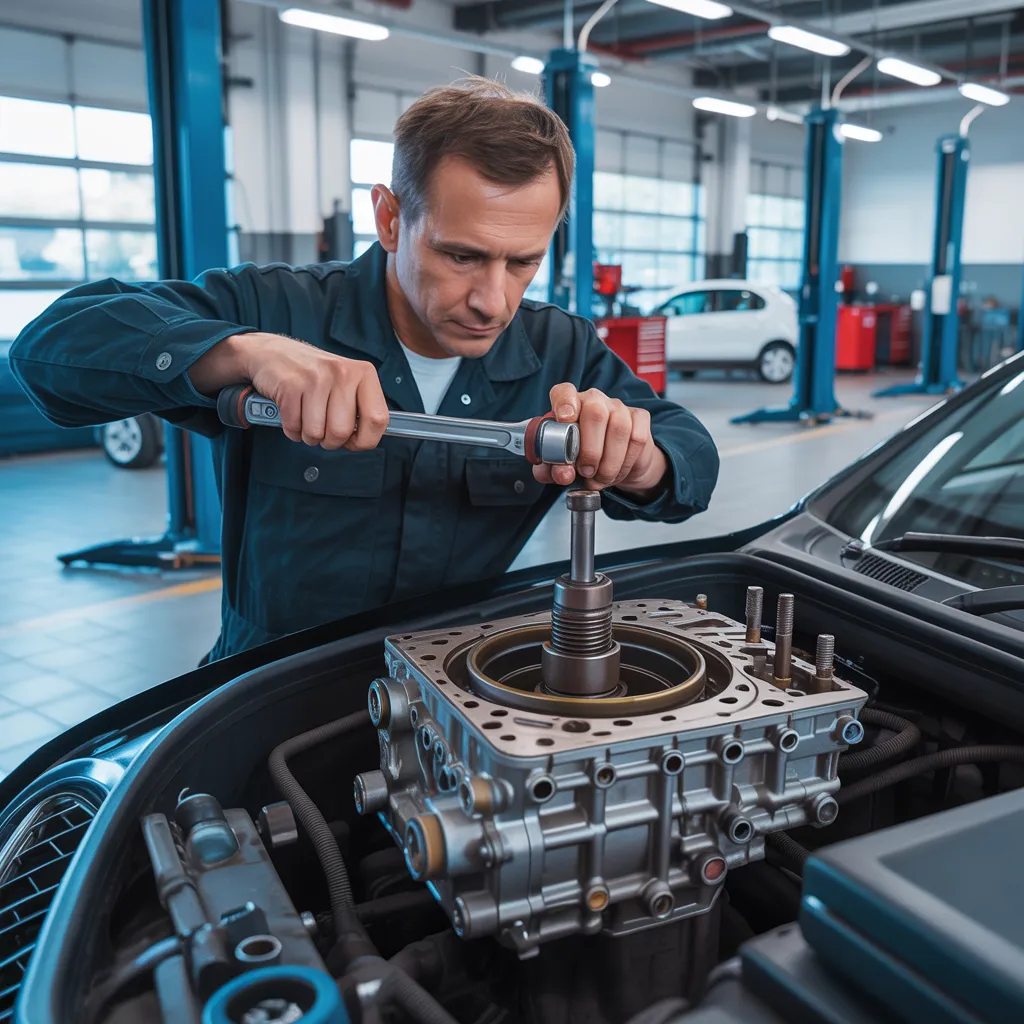
Identifying When Your Vehicle Requires Repairs
How can one tell when a vehicle needs servicing? There are multiple key indicators that signal a need for attention. Unusual noises, such as grinding or squeaking, often suggest brake or engine issues. Warning lights on the dashboard, particularly the check engine light, should not be ignored, as they signal potential problems that require immediate investigation. Additionally, a decrease in performance, such as sluggish acceleration or difficulty starting, can also suggest underlying mechanical issues.
Visual signs, such as leaking fluids or irregular tire degradation, are further indications that servicing is required. If the car drifts to one direction while driving, this could signal alignment problems or tire problems. Regularly monitoring these elements can help ensure prompt maintenance, avoiding greater deterioration and costs in the long term. Overall, being attentive and forward-thinking is crucial for maintaining vehicle health.
How to Find a Trustworthy Auto Repair Shop
Locating a dependable car repair facility can be a difficult undertaking for car owners. To begin, people should seek suggestions from friends, family, or colleagues. Personal experiences often provide useful information into a facility's quality of service. Online reviews and ratings on sites like Yelp or Google can also help gauge customer satisfaction.
Next, confirming certifications and affiliations with recognized industry organizations, such as the Automotive Service Excellence (ASE), can highlight a shop's investment in quality benchmarks. It is suggested to visit potential shops for an starting consultation, allowing owners to review orderliness, arrangement, and assistance.
In addition, getting formal quotes before any work begins can eliminate disagreements about costs. Finally, a reliable shop should be upfront about its services and willing to explain repairs. By taking these steps, vehicle owners can enhance their chances of discovering a dependable auto repair shop.
The Key Benefits of Consistent Vehicle Maintenance
While many vehicle proprietors may fail to address regular maintenance, regular car upkeep is essential for securing a car's endurance and begin here peak performance. Avoiding upkeep can result in a string of issues, from minor inconveniences to significant breakdowns. Regular inspections, such as lubricant replacements, tire rotations, and brake evaluations, can prevent costly repairs and improve driving safety.
Furthermore, routine servicing helps sustain a vehicle's fuel efficiency, minimizing overall operating costs. It also maintains the resale value; a properly maintained car is often more appealing to prospective buyers.
Committing to regular upkeep creates a sense of accountability among owners, encouraging them to stay informed about their vehicle's requirements. By emphasizing maintenance, vehicle owners not only safeguard their investment but also add to collective safety on roads. Ultimately, consistent vehicle care is a proactive approach that helps both the owner and the larger community.
Learning About Repair Fees
Understanding repair costs can often be perplexing for car owners. Various factors contribute to these costs, including labor rates, parts pricing, and the intricacy of the repair work. Labor expenses vary widely by region and shop, often reflecting the mechanic's expertise and the facility's operating costs. In addition, the kind of components used—whether original equipment manufacturer (OEM) or third-party—can greatly affect the final bill.
Vehicle years and type also contribute; vintage or rare vehicles may need specialized parts that are more expensive and more difficult to find. Moreover, unexpected issues can occur during repairs, resulting in supplementary charges that were not foreseen at first. By gaining a basic understanding of these factors, vehicle owners can address repair assessments with more certainty and make informed decisions regarding their vehicle requirements.
How to Distinctly Detail Car Problems to Your Mechanic
Relaying car problems effectively to a technician can greatly enhance the diagnosis and repair process. When detailing problems, car owners should be specific about symptoms, such as unusual noises, shaking, or warning lights. Providing details on when the problem occurs—whether during speeding up, decelerating, or idling—can also help the technician pinpoint the issue.
It is important to identify any recent modifications in driving behavior or maintenance history. Utilizing clear, straightforward language avoids ambiguity, permitting the service technician to understand the situation better. Owners should abstain from using technical jargon unless they are confident in its interpretation.
Moreover, providing documentation, such as service records or previous repair invoices, can furnish context. A detailed description not only enables swift diagnosis but also creates a collaborative relationship between the car owner and the mechanic, ultimately contributing to effective repairs.
Establishing a Lasting Connection With Your Auto Repair Shop
Forging a long-term relationship with an auto repair shop relies on trust and frankness. Dependable quality service reinforces this bond, while honest contact options make sure that clients feel cherished and recognized. Together, these traits create a working relationship that helps both the individual and the mechanic.
Foster Confidence With Honest Disclosure
When customers feel well-informed about the services their vehicles require, reliance naturally forms between them and their auto repair shop. Transparency in communication is key; it allows customers to understand the motivation behind recommended repairs and maintenance. Auto repair shops that provide in-depth explanations, precise estimates, and open dialogues encourage a sense of confidence among their clientele. This openness not only clarifies the repair process but also empowers customers to make well-informed decisions. Additionally, sharing information about the shop’s qualifications, warranties, and service history raises credibility. By focusing on transparency, auto repair shops can nurture lasting relationships, encouraging repeat business and retention. Ultimately, trust through transparency enables a more positive and trustworthy auto repair experience.
Consistent High-Grade Service
Consistent reliable service is the foundation of a lasting relationship between customers and their vehicle repair center. When customers get reliable and efficient repairs, they are more likely to return for ongoing care. This trustworthiness cultivates trust, allowing customers to feel confident in the expertise of the technicians. Over time, as customers witness the same excellent quality being upheld, a sense of loyalty develops. Quality checks carried out regularly and conformance to industry standards guarantee that vehicles are not only restored but also maintained to prevent subsequent problems. Such dedication to excellence creates an atmosphere where customers are appreciated, knowing their vehicles are in capable hands. Ultimately, this pledge to consistent quality service strengthens the bond between auto repair shops and their clientele.
Establish Messaging Pathways
Effective dialogue serves as an crucial connection between customers and their auto repair shops, improving trust and understanding. Open communication channels create a cooperative environment where customers feel valued and educated. When repair shops offer detailed explanations regarding offerings, costs, and schedules, clients can make better choices about their cars. Regular updates during repairs can reduce worry and establish trust in the shop's knowledge. Similarly, clients who express their worries and preferences contribute to a more tailored experience. This two-way conversation not only strengthens relationships but also encourages loyalty. By emphasizing open dialogue, auto repair shops can build a standing for dependability, guaranteeing that clients come back for future needs, assured in the service they will receive.
Popular Inquiries Posed Often
What Should I Do if My Car Fails Unexpectedly?
When a car malfunctions suddenly, the driver should securely move to the roadside, turn on hazard lights, assess the situation, and call for roadside assistance or a tow service if needed. Staying calm is crucial.
How Can I Identify if a Mechanic Is Reliable?
To assess a mechanic's reliability, one should examine reviews, ask for referrals, verify qualifications, and notice openness in costs. A reliable technician will speak plainly and supply detailed explanations of required maintenance and solutions.
Do find warranties for auto repair services?
Numerous auto repair shops provide warranties on their work and components, typically ranging from 90 days to several years. Customers should ask about specific terms and conditions to ensure adequate protection for their repairs.
What Tools Should I Have in My Car for Emergency Situations?
A properly equipped car should contain a spare tire, jack, jumper cables, flashlight, first aid kit, essential tools, and tire pressure gauge. These essentials help guarantee safety and address minor issues during unforeseen situations on the road.
What Can I Do to Prepare My Car for Seasonal Changes?
To set up a car for climate shifts, one should verify liquid amounts, check tires for wear and inflation, test the power source, replace wipers, and make certain lights work correctly for best safety and operation.